
How to Start (and Actually Keep Track of) a Pokémon Collection
Pick what you love, buy singles for the cards you want, and track the lot without the spreadsheet headache.
By THM · 5 min read
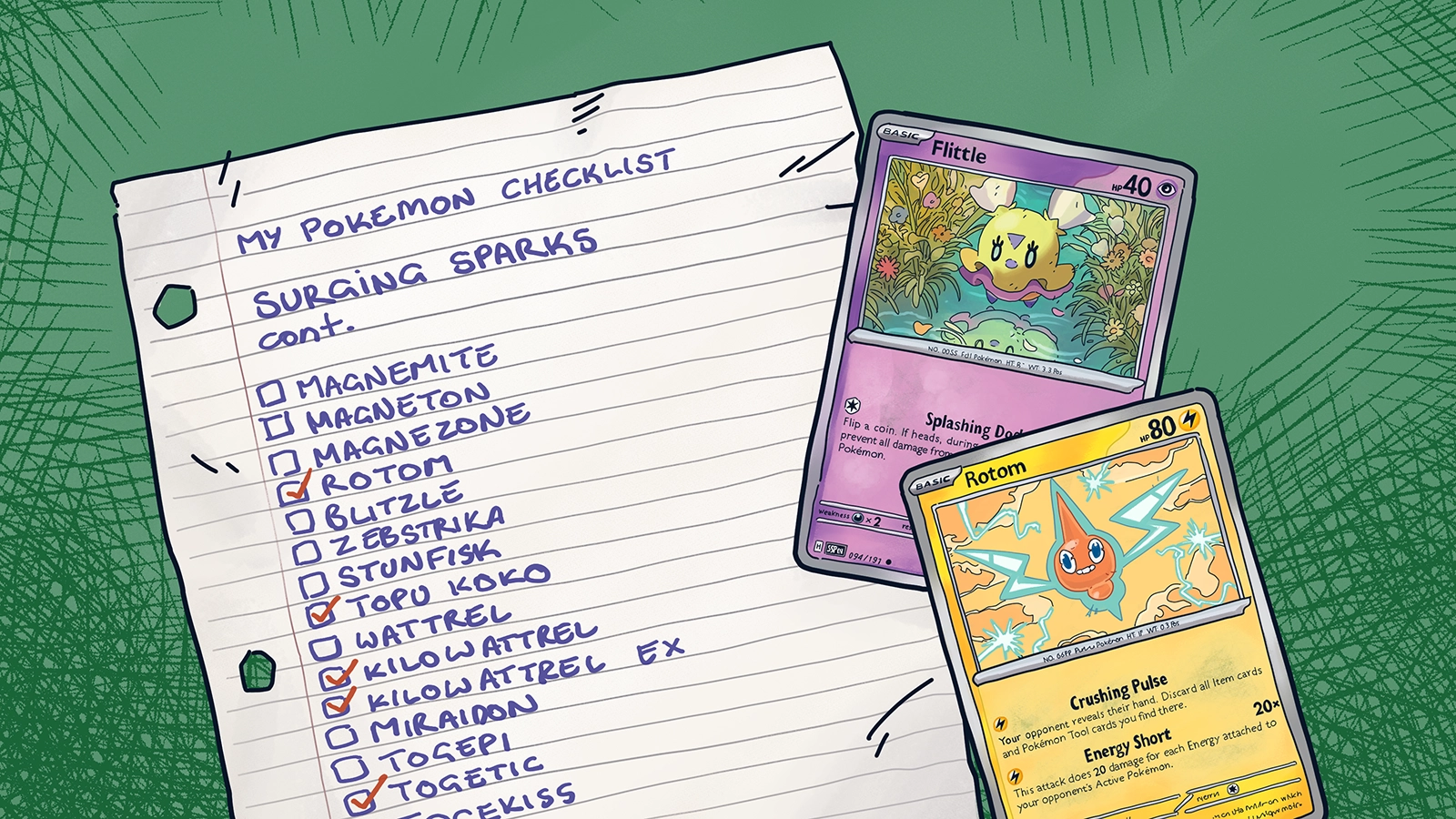
Starting a Pokémon collection can feel like a lot. There are hundreds of sets, thousands of cards, prices flying around everywhere, and a whole internet of people telling you what you should be chasing. It's enough to make you want to put the binder down before you've even started.
So let me make it simpler. I'm a comics guy more than a Pokémon guy, and when I started collecting comics as a kid I didn't have a clue about value or first prints or any of that. I just bought the ones I loved. All these years later, that's still the best advice I've got, and it works just as well for cards.
Here's how I'd start today, without overthinking it.
1. Collect what you actually like
This sounds obvious, but it's the step most people skip. Before you spend a cent, work out what you want out of this.
Maybe it's one Pokémon you've always loved. Maybe it's a single set whose art you can't stop looking at. Maybe you want every card by a certain artist. Or maybe you just want the cards that look cool to you, with no real plan at all. Every one of those is a good answer.
What you don't have to do is collect for money. There's nothing wrong with keeping an eye on value, but if the only reason you're buying a card is because someone said it'll go up, you're not really collecting — you're just betting on cardboard. Buy what you'd be happy to own even if it never made you a dollar. That's the stuff you'll still care about in ten years.
2. Packs are fun, but singles are smart
When you're buying cards, you've basically got two ways to do it.
Booster packs are the fun one. You don't know what's inside, and ripping one open is a little hit of excitement every time. The catch is they're not cheap, and you can spend a lot chasing one card you want and never pull it. Packs are great for the fun of it. They're a bad way to actually get a specific card.
Singles are buying the exact card you want, on its own, from a seller. Less exciting, but way smarter for your wallet. If there's one card you really want, buying it as a single is almost always cheaper than gambling on packs to find it.
My honest take: rip a pack now and then because it's fun, but if you've got cards you actually want, just buy them as singles. You'll spend less and end up with more of what you love.
3. Protect them (without going overboard)
You don't need to turn into a card-protection nut to look after your collection. A few cheap basics do most of the job:
- Sleeves — thin plastic covers that stop scratches and finger marks. Cards live in these.
- Top-loaders — hard plastic holders for your better cards, so they don't bend.
- A binder — for the cards you want to flip through and actually enjoy.
That's honestly enough to start. You can get fancy later if you want, but a sleeve and a top-loader will keep most cards safe and happy.
4. Keep track of what you've got (the annoying part)
Here's the bit nobody warns you about. Once you've got more than a handful of cards, it gets hard to remember what you own. You end up buying a card you already have, or you lose track of how close you are to finishing a set.
The old way to fix this is a spreadsheet, and if you've ever tried to keep one updated, you'll know it's a pain. Typing in every card by hand is the fastest way to fall out of love with your own hobby.
This is actually the whole reason this site exists. Instead of building a spreadsheet, you can pull up the checklist for any set, tick off the cards you own, and the tracker keeps a running tally for you — how many you've got, how close you are to finishing, and a rough idea of what it's all worth. It saves on your own device, so it's there when you come back.
That's it. No spreadsheet, no guessing in the card shop about whether you already own something.
5. Don't let it turn into a chore
This is the most important one, so I saved it for last.
It's easy to let collecting stop being fun. You start chasing the last few cards of a set you don't even like, just to "finish" it. You start checking prices more than you look at the art. Suddenly your collection feels like a job.
Don't do that to yourself, mate. Chase the cards because you want them, not because a checklist is staring at you. Use the tracker to make life easier, not to turn your shelf into a to-do list. A collection should be something you're glad to own, not a pile of half-finished homework.
I learned this the long way round with comics. The ones I love most aren't the valuable ones — they're the beat-up issues I read a hundred times as a kid. Cards are the same. The best card in your collection is the one that makes you happy to pull it out and look at it.
Ready to start?
If you're just getting going, here's the short version: pick what you love, buy singles for the cards you really want, sleeve them up, and use the set checklists so you always know where you stand. Then forget the rest of the noise and enjoy it.
Have a browse through the sets, tick off the ones you already own, and watch your collection take shape. That's the fun part — and it's free.
Open a set, tick off the cards you own, and watch the tracker keep score for you automatically.
Browse the set checklists →More guides
 GUIDE
GUIDEIs It Worth Grading Your Pokémon Cards? An Honest Take on PSA vs CGC vs SGC
6 min read
Booster Boxes vs Singles: The Honest Answer (and Why I Ignored It)
GUIDEBooster Boxes vs Singles: The Honest Answer (and Why I Ignored It)
6 min read
How Much Is My Pokémon Card Worth? An Honest Guide
GUIDEHow Much Is My Pokémon Card Worth? An Honest Guide
6 min read
What Actually Makes a Card Valuable?
GUIDEWhat Actually Makes a Card Valuable?
6 min read
How to Spot a Fake Pokémon Card (and Avoid Getting Burned)
GUIDEHow to Spot a Fake Pokémon Card (and Avoid Getting Burned)
6 min read
Where to Actually Buy Pokémon Cards (and What to Watch Out For)
GUIDEWhere to Actually Buy Pokémon Cards (and What to Watch Out For)
6 min read
How to Store and Protect Your Cards (Without Going Overboard)
GUIDEHow to Store and Protect Your Cards (Without Going Overboard)
6 min read
 GUIDE
GUIDEHow to Read a Pokémon Card: What the Numbers and Symbols Actually Mean
5 min read